Wednesday, April 16, 2025


2025 YOUNG ADULT CANCER SURVIVOR RESOURCES (AGE 18 – 39)


 For purposes of information and resources, you are considered a “young adult survivor” or “young adult cancer survivor”.  YAS or YACS.  A lot of resources in the cancer community are categorized by these names, so it will be easier for you to search for grants, assistance, funds, resources this way.  Also, always check the description of the grant or age parameters as some young adult information is for age 18 to 35, and some is for age 18 to 39, so be aware of the cut off (especially for grant applications).  If they are that specific and you don’t fit their qualifications, don’t waste your valuable time applying for it!  

Young Adult Cancer Survivors have a few different sets of challenges than their older counterparts.  

  •  Education:  some young survivors have had to leave college or give up their dream of college when they were diagnosed with cancer.  With medical bills piling up many are forced to abort this dream, or put it on hold indefinitely.
  • Dating:  it's hard enough to show your mastectomy scar to your husband of 35 years but imagine that you are out there in the dating world with some of the physical scars of your cancer.  Plus, sometimes it is hard to envision your own future, let alone meeting someone new and involving them in it.  Btw...I once got laughed out of a survivorship meeting when I suggested an online dating service for cancer survivors.  Well looky here! www.curetoday.com/view/cancer-and-dating--online
  • Finances:  usually if you are young, you are working for peanuts in entry level jobs.  Most likely you are renting, haven't saved much of anything and have college loans or credit card debt on top of your medical bills. 
  • Lack of any health insurance at all. 
  • Loss of friendships/loss of your social network.  This happens to older cancer survivors too, but with young survivors, the support systems may not have been built up enough to help them through. Also, all their young and happening friends may not be able to handle something like a cancer diagnosis in a friend who is so young.
  • Fertility Issues.  Some chemotherapy treatments can cause infertility.  If you are male or female, the time to ask questions about this is before you get a single drop of chemotherapy.
Here is a list of various resources for young adult cancer survivors.  Hopefully some of the topics above will be covered in some of these sites for you. Best wishes!!  Hope this helps!!

Charlene’s Dream:  www.Charlenesdream.com is a local Community Cancer Support Center in Daytona Beach for women with cancer of all ages. We are always here to assist with local support groups, meetings and events, wigs, lymphedema sleeves, lumpectomy and mastectomy bras and prostheses, Breast Cancer 101 classes.  By appointment only (because we are run by volunteers):  386-871-3028.


Young Survivors Resources:


Stupid Cancer:   It’s kind of a clearing house of online resources for young adult survivors: financial, emotional, career etc.  The website is kind of clunky, but give it a little time and search around it.  They have a young survivors podcast, have message boards/list serves to connect with other young survivors.  They also have some good webinars.  They have a large “convention” annually in Denver called Cancer Con (formerly the OMG Summit).  It is an amazing experience and if you can possibly go, we encourage it.  You will have a ton of fun, but it is also a great way for young survivors to connect.  They have many seminars with lots of interaction:  financial issues, legal support, fertility issues, sexuality/dating during and after treatment, career guidance (how to find a job/career after your cancer experience).  Lots of emotional support.  Every April.  There are scholarships to attend and travel scholarships to cut costs if you apply early enough.  http://stupidcancer.org   http://cancercon.org


Imerman’s Angels: (a cancer “buddy” system).   They try to connect you to someone who has had a similar experience as you.  Maybe there is another young survivor out there going through something like what you are going through.  They hook you up by email and you make arrangements with your “mentor angel”. If you want to talk on the phone or just email each other, they introduce the two of you, share your contact info and let you pick how you want to connect and how often you want to connect.  http://imermanangels.org


Oncolink (UPENN) Lots of good links for resources for Young Adult Survivors here:

www.oncolink.org/cancers/pediatric/resources/resources-for-more-information-pediatric-adolescents-and-young-adults-with-cancer


Dana Farber Cancer Institute (DFCI) Boston:  has a young adult network.  Some stuff on the site is only for DFCI patients, but some young survivor stuff is available to anyone.   Here they have some podcasts, a young survivor app and virtual support groups. Some stuff is only for DFCI patients, but some are for all.

www.dana-farber.org/patient-family/support-services/young-adult-program

DFCI Facebook Page:

https://www.facebook.com/YAPatDFCI


The Dana Farber Young Adult Cancer Conference:   is in the spring, is one day long and it is free, but it is in Boston.   You might be able to get air assistance and Hospitality Homes in Boston may be able to help with lodging.

http://www.dana-farber.org/Adult-Care/Treatment-and-Support/Patient-and-Family-Support/Young-Adult-Program/Annual-Young-Adult-Cancer-Conference.aspx


DFCI Young Adult Program  e-newsletter:  YAP's e-Newsletter.  To subscribe, email yap@dfci.harvard.edu


Iaya is the DFCI Young Adult app:

https://www.youtube.com/watch?v=CbiaLljXaiw


Financial Assistance


Some of these are small “grants”.  They might be in the $500 to $1500 range and usually require just a short application.  This can be a little energy draining trying to remember when to apply for them and to keep track of your applications.  If you have a supportive friend or family member, put them in charge of tracking when all of these grant periods occur.  They might all be different- meaning you can only apply once a year or once a quarter kind of thing.   Some of these small grant providers “open” once a year and then they are gone again until the next year.  Some also “go out of business”.   We suggest you write a couple of short paragraphs about your “cancer” story and save it in a Word document.  You can cut and paste pieces of that into some of these grant applications, so you are not reinventing the wheel each time.


MeStrong: is for all ages.  If you need any financial assistance (help with paying rent or a one-time bill etc.) they will provide.  They pay the vendor directly (your landlord etc).  We know these ladies and they are amazing.  Read Linda Ryan’s story if you have a chance.   www.mestrong.net  

Application:  http://mestrong.net/wp-content/uploads/2016/08/Grant-App-2017.pdf   Mainly for folks in treatment.


The SAMfund:  Grant application periods are usually February and June.   www.thesamfund.org


This is one of the best grants/funds around for YOUNG adult cancer survivors (age 21 to 39) who have completed treatment (check their requirements, they have certain eligibility criteria).  So, when you are done with treatment, definitely apply for this one. 


The woman who started this nonprofit is an AMAZING young two-time cancer survivor named Sam Watson.  She (had a donor bone marrow transplant) and started this nonprofit in Boston and it has gone national.  She is a totally awesome speaker and one of the real drivers behind increased funds/information/programs addressing the needs of young adult cancer survivors in the U.S. 


Any young adult survivor can apply for assistance for anything…. adoption funds, medical bills, mortgage, rent, car payments etc.  You used to be able to apply for tuition assistance but it looks like they don’t do that anymore, but they provide a good list of resources on their website for that (see below).   Assistance is for $1500 to $2000.  They will give up to $4000 if it is fertility related, but it states that they will grant that only if you have a well thought out plan in place and know what the costs will be.  http://www.thesamfund.org/get-help/grants


Allyson Whitney Grants:   $1500 in assistance.  Application period 3 or 4 times per year.  Can be going through cancer treatment or recently finished. They ask for a doctor/nurse or social worker to verify your cancer history.  Ask your team here, and we’ll help.

http://allysonwhitney.org/what-we-do/grants


Leukemia and Lymphoma Society (buddy system and some limited financial resources)

http://www.lls.org/support/peer-to-peer-support


Nikki Leach Assistance:  small “grants” for young survivors 18-30.  Grant period opens in Spring.

http://www.nickileach.org/assistance

 Various other young survivor resources:


Fertility issues and chemo:  https://www.facingourrisk.org/support/find-financial-assistance/fertility-preservation#:~:text=LIVESTRONG%20Fertility%20provides%20financial%20assistance,financing%20programs%2C%20scholarships%20and%20grants.


Livestrong Fertility:

https://livestrong.org/how-we-help/livestrong-fertility


Fertility and Breast Cancer:

https://youngsurvival.org/fertility-and-family-planning?gad_source=1&gbraid=0AAAAADqfrXIfDylr9bIJvUpIeL9bkOcBC&gclid=Cj0KCQjwqv2_BhC0ARIsAFb5Ac-Po2PlZ8Z6wnRxE44bxJzAq8Ufecd8gwlpP2KEEy2FV8E69Vscu6YaArdjEALw_wcB


Young Adult Survivorship: Fertility, Sexuality and Intimacy:

https://www.cancercare.org/connect_workshops/1096-young_adult_survivorship_fertility_sexuality_intimacy_2024-02-09


Cancer Care: (have to be in active treatment).  Used to be $300 in assistance that they would send the patient now might only be $150.  Quick application.

http://www.cancercare.org/financial


Cancer and Careers: If you are looking for a job again.

http://www.cancerandcareers.org


Bloch Cancer Foundation:   type in your type of cancer or young adult survivor and they send you links for information.  Warning:  some links are out of date.

http://blochcancer.org/resources/big-list-of-cancer-resources/


Livestrong Young Adult Survivor

https://www.livestrong.org/we-can-help/young-adults


Lymphoma Research Foundation (more disease information vs assistance)

http://www.lymphoma.org/site/pp.asp?c=bkLTKaOQLmK8E&b=6296735


Financial Aid for Students Impacted by Cancer


www.oncolink.org/support/resources/resources-for-young-adults/support-for-adolescents-and-young-adults-with-cancer/resources-for-more-information-financial-aid-for-students-impacted-by-cancer


Retreats-For When You Have Finished Treatment

There are a lot of “retreats” offered to cancer survivors and families.   Some places just offer up free lodging for a few nights, some for a week.  Some are group events, some just offer a place to stay with your family.    Most of them are free, but they are located all over the country and it is the cost of getting there.  However, there are a ton of scholarships available and often you can ask if there is flight assistance as donors sometimes give up air travel miles so that survivors can get there (see air travel at end of this page).   


First Descents (age 18 to 39):  Free outdoor “life changing” retreats for young survivors.  I have met several people who went on these and RAVE about them and absolutely called them life changing.  You go once you are finished with your treatment.

https://firstdescents.org/


Retreats all ages:


Camp Mak-a-Dream: In Montana and it is beautiful.  There are scholarships and air mile assistance possible. They have a young adult retreat and two women’s retreats (one is for ovarian cancer survivors, and one is for all women with cancer).     

http://www.campdream.org/programs/young-adult-conference


Free house in Georgia Mountains for cancer survivor and families

www.secondwindretreat.org


Cruise  http://www.cruisingagainstcancer.com/

Free retreats for breast cancer survivors:  http://www.karenwellingtonfoundation.org/


For Ovarian Cancer survivors in New England: 

https://www.turningthetideovariancancerretreats.org


Casting for Recovery (Fly fishing retreats for breast cancer survivors):

https://castingforrecovery.org


Healing Odyssey Retreats CA

https://healingodyssey.net


Little Pink Houses of Hope Retreats (10 different states) for families

https://www.littlepink.org/retreats/retreat-schedule

Mary’s Place by the Sea Retreats (NJ)

www.marysplacebythesea.org/retreats


California Retreats all women

https://livingbeauty.org/pages/our-living-beauties


More retreats for women with cancer links

https://cancercarenews.com/more-cancer-freebies/vacations-day-trips


Airline/Travel Assistance (for patients of any age)


Angel Flight NE (Northeast):  http://www.angelflightne.org/

Corporate Angel Networkhttp://www.corpangelnetwork.org/home  (contact them 1 to 3 weeks before your appointment)

Mercy Medical Angels:    http://mercymedical.org  (offer flights also limited gas cards and bus service)

Patient Travel Referral Program:    http://patienttravel.org

Air Care Alliance:   www.aircarealliance.org


Monday, January 10, 2022

College Scholarships for Those Affected by Cancer 1/10/2022


College Scholarships for Those Affected by Cancer 


Let’s face it. There aren’t a lot of “perks” that go with a cancer diagnosis.  No one hopes that they get cancer just to get an occasional freebie, perk, or use of “The Cancer Card”.  But sometimes there are some good things that you become eligible for just by virtue of your cancer diagnosis. 


You may or may not know that there are many college or vocational school scholarships available out there for those affected by cancer.  Some are for cancer survivors going back to school.  Some are for children of a parent affected by cancer.


This post is basically a list of links to find out more information on how to apply for scholarships. 


A few tips for searching:

 1) Start with a general Google search: “college scholarships for cancer survivors” brings up a lot of links. After you puruse all of the scholarships available for all types of cancer, you might refine your search to "college scholarships for colo-rectal cancer survivors".  Then, "for colo-rectal cancer survivors in the state of Maine" etc.  


2)      Links change all the time.  Some become outdated or grants run out of funding.  I suggest printing out the list of links and crossing off the “bad” ones as you go.  After an hour or so, they are all going to run together in your head!


3)      Always look at the description of who the scholarship is designed for.  If they are looking for a breast cancer survivor from Maine and you are an ovarian cancer survivor from Vermont, just move along to the next scholarship.  You’re not eligible for that scholarship.


4)      Always be mindful of deadlines.  There is no wiggle room on deadlines. If you miss an application deadline, it might be a year before the application process opens again.


5)      Some are age related.  Make sure that you are in their age range before you put a lot off effort into the application.


6)      If they ask for an essay, just reach into your heart and give an honest account of how cancer has affected you.  Save your words in a file so you can copy or paste for other applications if you need to.


Here’s a brief list of links.  Many of these links refer you to 10 or 15 other links:


Nancy's List:

https://nancyslist.org/2017/11/16/scholarships

Scholarships.com

https://www.scholarships.com/financial-aid/college-scholarships/scholarship-directory/special-attributes/cancer-patient-survivor-or-child-of

ASCO:

https://www.acco.org/education-scholarships

Other:

https://www.top10onlinecolleges.org/scholarships-for/cancer-survivors

https://www.edvisors.com/scholarships/college-scholarships/cancer-scholarships

http://www.collegescholarships.org/scholarships/cancer-students.htm

https://www.cappex.com/articles/money/cancer-scholarships

https://www.ohsu.edu/sites/default/files/2021-03/2020-21%20Scholarship%20Opportunities%20for%20Survivorship%20and%20Oncology%20Patients.pdf


Scholarships for students whose parents have or had cancer or who died of cancer include:

LIFE Lessons Scholarship Program

https://lifehappens.org/life-lessons-scholarship-program/

MaryEllen Locher Foundation Children of Breast Cancer Scholarships (for students within 50 miles of Chattanooga, TN)

https://www.memorial.org/en/chi-memorial-foundation/mel-scholar.html

Pink Ribbon Scholarship

http://pinkribbon.org/scholarship-programs

PinkRose Foundation

https://www.pinkrose.org


Good luck!!!   I hope that this helps!!


Saturday, December 4, 2021

"The Pandemic Bidet"


I’m a longtime nurse living during a pandemic.  There are so many serious topics that I could be addressing right now related to the pandemic…vaccines, masks, monoclonal antibodies.  The pandemic has changed all of us.  But sometimes my head feels ready to explode from all the grim news that I have experienced during the past year.  So, I decided to share one of the positive things that I have discovered during the pandemic that is not quite so serious but is a game changer.  The #1 best thing that I learned in the pandemic....EVERYONE SHOULD HAVE A BIDET!!!

I am absolutely prepared to be mocked.  Someone wrote a comment this morning on a Facebook group page that I belong to.  They complained about their physical condition, mobility issues and their lack of ability to fully clean themselves off after a bowel movement.  I said to myself,  “this tip might actually help someone”.  For those outside the U.S., this is a no brainer as many of you have used bidets forever. 

I only wish that I had been recommending this to patients for years. I have already purchased 4 of them for friends. Everyone on my Christmas list is getting a pandemic bidet!

I’m not talking about the $10,000 toilet with the blow dryers that all the rich and famous people possess.  No, you don’t need to replace your toilet or add expensive gadgetry. For around $30 (on Amazon), you can get one that resembles a boomerang that is easily installed under the lid of your toilet seat. I had my brother install mine, and it literally took him less than 1/2 hour.

Why is the bidet so great? You simply do your business, turn it on for a few minutes for a good rinse off, and pat yourself off with a small amount of toilet paper (one swipe, just to dry off). Clean as a whistle!!!

Who would benefit from a bidet? 

1) For anyone in a pandemic toilet paper shortage or someone just wanting to help conserve the planet by saving a tree. For those with septic systems.

2) For all of us who have arm or back pain where even (sadly) minimal movements like wiping your backside are painful.

3) For anyone who has had a fractured arm, hand, or shoulder surgery on their dominant side.

4) For breast cancer patients who have had under arm (axilla) surgery and for whom movement is restricted or painful. 

5) For ovarian cancer or colo-rectal cancer survivors or post-partum ladies who may have wound issues.  A bidet is an extra tool in the arsenal to assist with cleanliness “down below”.  Bidets clean your rectal area but can also clean your vaginal incisions too.

6) For anyone who is elderly, those with herniated discs in their spine,  or someone with morbid obesity who might have trouble reaching or who may have mobility issues.  For those people, the act of “wiping” is literally impossible.

7) For those with hemorrhoids or rectal fissures who may have trouble keeping things clean “down there”.  Sometimes repetitive wiping with toilet paper can irritate a situation more than help it.  A clean stream of room temperature water can make a huge difference.

There are many other indications, but as a nurse these are the first that pop into my mind.

One warning:  On the model that I have, if you turn the water pressure stream dial up higher than level 2, your buttocks will be found later 2 blocks down the street!!!

For all of the things that the pandemic has taken from us, perhaps here is one good thing that we have learned.

So, save a tree.  Save your backside.  Best of luck and remember...no higher than level 2!!  I warned you!!!


Tuesday, May 26, 2020

So Smart!!

SO Smart!!!

This is one of those ideas that you smack yourself on the head and say, "Why didn't I think of that???".   A big shout out to Cynthia Wass Shepard.  Cynthia is a member of a Facebook survivor group that I belong to.  Cynthia is a genius!!!

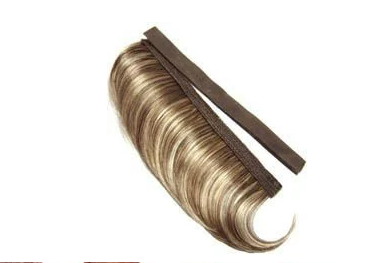
Cynthia knew she was going to lose her hair with chemo.  So, she cut her hair off into 2 braids and a couple of small pony tails.  She saved the hair swatches and used adhesive Velcro and attached the braids or pony tails to the inside of her ski caps (double banded elastic at top of braid).  

I have seen the fake swatches of hair or hair extensions attached to ball caps and headbands with Velcro (see link below) before.  But, I have never seen anyone cut their own hair before they lost it and do this with their own hair!!! FABULOUS.  

The best "wig" that I ever saw was one that the sister of a patient made for her.  She took a wig liner (which kind of resembles the top of a pair of panty hose...minus the crotch!!) and just glued rows of hair extensions to it, and the end result was incredibly realistic looking.  I imagine that if you were talented enough you might be able to use your own hair for that too.

Thanks Cynthia!!!  This is actually something that is doable for a lot of women out there!!!  So ladies, if you have hair that is long enough to put in a couple of braids or small pony tails....save it and make your own head wear!!!!!!!!!


Cute Braids


Pony Tail Version


Updates 1/30/2022.


 Some women buy a full wig.  Some only end up wearing them a few times as they can be scratchy or hot.  If you are buying a full wig, make sure that you get a cap or liner to go under the wig for scalp comfort.  

Cap or Liner


For those of you who may not have long enough hair to cut, or the "hair" ship has already passed, here are some examples of "fake" Velcro'd hair or hair extensions Velcro'd into caps or on to headbands. 

Fake it without a full wig!

I highly recommend this great video that shows 11 alternative options for those women who don't want a full wig:


You can buy little pieces of hair withVelcro "mini extensions" that velcro onto the inside of a ballcap or hat.  Depending on placement, they can either look like bangs or a fringe of hair to velcro on to the back of the ball cap. 


Detachable bangs headband video demo:   https://youtu.be/vLQnOl89U14


Bangs only:


Ponytail headband for baseball caps (the velcroed ponytail goes through the back hole of the baseball hat with or without tendrils.   See video demo:  


Halo pieces.  I call them "Benedictine Monk hair pieces. The top is bald so the ballcap sits on your head but the top of your scalp is open and free under your ballcap and not scratchy and hot on top like some wigs are. 


Headband wigs:  


And one final tip?  A hairdresser we know says that the best shampoo for wigs is actually FABRIC SOFTENER.  You heard it here folks!!


Hope this helps!!!!


Monday, July 25, 2016

The Notebook-Reposting Here by Request


I emailed someone last weekend with this tip, which reminded me that it would be a good thing to post here.  It is a simple thing, but so important.

We always tell those who are newly diagnosed to:

1)  Bring someone else with you who will take notes of what the doctor is saying.  Someone to be your "eyes and ears".   It is WAY too much information for one person to try to process and write down all at once.

2) Get a 3 ringed looseleaf notebook to store all of your cancer related information in.  It will make your life easier.

Also, please add this to "best gifts for cancer patients".  Make one up for a friend, if you want to give them a useful gift.

Sections of the notebook should include:
  • Plastic sleeve with slots to put all business cards in (stick this in the front of the notebook).  Put all of your doctor (surgeon, medical oncologist, radiation oncologist) nurse and clinic phone numbers in here, and keep it right up front.
  • Calendar of your treatment, or a timeline of events and procedures since your cancer diagnosis.
  • Pathology Reports and Operation/Surgery reports
  • Lab reports
  • Scan/Xray reports
  • List of all medications that you are on and what you take them for.
  • A section to put all of the print out information on chemotherapy drugs that your nurses will give you.
  • If you are on a clinical trial, keep a copy of your research consent form here.
  • Financial:  Keep all your receipts.  Gas, parking, receipts for payments for prescriptions,  co-pay receipts etc.  You will be able to deduct a lot of these at tax time.  Also, some assistance funds require copies of receipts (Lyphoma and Leukemia Society used to do this), so save all of your receipts!!
Livestrong used to give away free ones.  These are kind of bulky.  You can make your own pretty cheaply.

Ask for copies of your pathology report and your operative note (if it is ready) right when you are in the office when you see your surgical oncologist.  This will save you a trip to medical records later. Every doctor that you will see along the way will want to see these reports.

Every time you go for chemo, ask for a copy of your labs.  Every time your MD sits down and explains your scan results, ask for a copy of the report for your files and put it in your notebook.

Yes, they may have electronic medical records at your hospital, but if you go to another hospital anywhere along the way, if you have all of this information in one handy place, your life will be easier. You'll be needing to refer back to your notebook quite a bit.

I would make about 5 extra stacks of your pathology report, operation report, most recent scans and recent md note to have on hand in case you go for a second opinion, go for a clinical trial eval.  If you have a copy of your oncologist's note, it has your cancer history on it and your current medications.  This will save you from being tortured by young residents and fellows all asking the same question! Make sure to tell your MD if the medication list is not up to date, so they can reconcile this.


Don't forget a section for the financial part of things. You want to save all of your medical bills in one spot (don't forget all the "little" expenses that you incur that you may be able to write off on your taxes next year. Parking, co-payments for medicatios etc can all add up. Save all these receipts. Also, make sure to really look at the bills you get from the hospital and the insurance company. Hospitals are notorious for weird billing and goof ups on bills, especially when insurance companies are involved. You don't want to be paying for something your insurance company already paid for.


Finally for your notebook, I would suggest a journal (or if you have a blog....print out your posts from it).   Even if you are not a journal person now.  I can't tell you how many of my patients have been happy that they kept a journal.  It helps them to see what they have accomplished and what they were thinking along the way.  It is also a reminder of their timeline of events.  You could be the next Pulitzer Prize winner!!!

Tuesday, February 10, 2015

"It Matters to People How Their Stories Come to a Close"

This was a great show that I highly recommend.  A surgeon whose father (also a surgeon) was dying recognized that many doctors don't have the correct conversations with patients when they are diagnosed with cancer, throughout the cancer journey, and especially at the end of the journey.  His father's situation gives him pause and he reflects on the difficulty he sometimes has discussing "end of life" issues with his patients who are dying.
  
In this show, Dr. Atul Gawande follows a few patients who are dying and he also follows members of the palliative care team at Dana Farber to learn how he and other doctors can do better (how we ALL can do better) to address what some would call end of life questions. But, as one of the palliative care team correctly states, these questions are not just for the dying but should be asked so you can plan how you want to live...even if there is no cancer in sight.

He says, "In medicine when we are up against unfix-able problems, we are often unready to accept that they are unfix-able. It matters to people how their stories come to a close. The questions we ask each other as human beings matter. We should be asking: What are your fears and worries for the future? What are your priorities if time becomes short? What are you willing to sacrifice and what are you not willing to sacrifice? If you only have limited time left, what would be important to you?"

He also asks, "how is dying ever at all acceptable?" How is it ever just not this terrible awful thing? The only way it is, is because we as humans live for something bigger than ourselves".
Great show if you can catch it.  It's on PBS.

Here is the synopsis of the book and show..."Facing Mortality".

Facing Mortality: How to Talk to Your Doctor

 by 
In his book Being Mortal, writer and surgeon Atul Gawande has a chapter titled “Hard Conversations.” He writes about the extremely difficult, yet ultimately rewarding conversations his father, who was diagnosed with a cancerous tumor, had with his loved ones and with his doctors. The conversations allowed Gawande’s father to make critical decisions about his treatment, and to focus on what mattered the most to him during the last few years of his life.
“These conversations may cover end-of-life topics, but they’re not only about end-of-life,” says Susan Block, chair of the Department of Psychosocial Oncology and Palliative Care at Dana-Farber Cancer Institute. “They really focus around how people want to live, and what their priorities are, what’s important to them in terms of living with a progressive, serious illness.”
But how do you or a loved one talk to your doctor when one of you have fallen seriously ill? How do you prepare yourself? How do you figure out what to say?
In recent years, the rise of palliative care — which helps patients deal with the symptoms, pain and anxieties of serious illness — has helped physicians to better manage such conversations. While the field is growing, only a little more than 1,700 hospitals in the U.S. have a dedicated palliative care team, according to the Center to Advance Palliative Care — meaning that at most health care facilities, patients lack access to specialists in conversations about end-of-life care.
Because there is no rigid structure or checklist for these kinds of discussions, FRONTLINE asked experts in palliative care and organizations dedicated to helping patients have “the conversation” how to go about it. Here is what they told us:

Start the conversation

The first step, which can also be the hardest, is starting the conversation. There is no perfect time to start talking about your wishes, but experts agree that having this conversation with family earlier in your treatment can help improve the quality of your care.
“I think it’s really helpful to start with family. It’s not always possible, but … as much as possible, these conversations should start around the kitchen table,” says Block, a pioneer in the field of palliative care.
When you have the discussion with your family members, experts advise that you start by letting them know what kind of care you would like and what matters most to you. They also suggest you get a better idea of what your loved ones hope for you. At this point, you can also decide on your health care proxy, the person who will advocate for your wishes when it comes to your medical treatment if you are unable to do so by yourself.
Your doctor is unlikely to bring up the topic unless there’s a medical emergency, so experts suggest letting him or her know that you’re ready to discuss it.
“As much as possible, these conversations should start around the kitchen table.”
“I think one mistake we often make is only having these difficult conversations when something’s going wrong,” says Dr. Jennifer Temel, clinical director of thoracic oncology at Massachusetts General Hospital. “When someone’s feeling terrible, and their family is very stressed that the patient is so sick, that’s really not a time to have a calm and thoughtful conversation about prognosis and end-of-life care goals.”
You can let the doctor’s office know that you would like to talk about your end-of-life wishes when you call to make an appointment. That allows both you and your doctor time to prepare.
You don’t have to fit everything into your first talk with your doctor. “The conversation” is actually more a series of conversations, and it becomes easier once you start.

Understand your situation

Experts say it’s important to understand the “bigger picture” of your medical condition, not just the details of your latest test result, treatment or medication. Getting a sense of where you are in dealing with your illness can give you a better idea of what to prioritize.
“In order to have an effective family meeting [with the doctor], it’s really important to start with where the patient and the family are, and to understand what they understand about where they are in the trajectory of their illness,” Block said.
The Conversation Project, an organization that aims to help people discuss their wishes for end-of-life care, suggests a series of questions in a starter kit designed to help patients talk with their doctors. Questions include: What can I expect from this illness? What is my life going to look like in six months, a year from now, five years from now? What can I expect about my ability to function independently?
Some patients want to know every single detail, while others don’t want all the information about their illness. Experts say that either choice is okay, but understanding your prognosis and what you can expect helps you make the next decision.

What matters most?

At the heart of these conversations is the question: What matters most to you?
Many people say they want to spend more time with their families. For some, it’s important that their treatment allow them to continue working and living independently. Some prefer being treated in the hospital, while others prefer being treated at home. Some may prefer no treatment altogether.
When you talk with your loved ones and your doctor, you should “paint a picture of what matters most to you at the end of you life, because that will frame the kinds of treatment that you and your clinician will work on together,” says Harriet Warshaw, executive director at The Conversation Project.
At the heart of these conversations is the question: What matters most to you?
“The hope is that I’m going to have lots more time, and that even thinking about this is premature,” Block says. “But we all know that life is uncertain, so if things were to get worse, if time were getting short, what are the things that are most important to me as a person? Who do I want to be with? Where do I want to be? How do I want to be using my time?”
The answers to those questions can help a doctor tailor treatments that take your wishes into account. “The goal is to fit the treatments into your life,” Block says, “rather than focusing on the treatments and making your life conform to those.”
Experts also say what matters most to a patient can change over time, which is why it’s important to keep having these conversations over the course of your treatment.
The realities of living with a serious illness from day-to-day can change your life goals. Some people are determined to fight on and try every new treatment and procedure, while others may tire and want to focus on spending time with their loved ones.
Warshaw offers the example of her mother, who successfully treated several bouts of cancer until she was diagnosed with a form of the disease that was harder to treat. Having gone through the process many times, she initially made the decision to let the disease progress. She changed her mind when she realized that she wanted to be there for her grandson’s bar mitzvah. She then started chemotherapy and was able to attend the ceremony.

Express your fears

As important as communicating what matters most is expressing your fears and worries to the doctor, according to experts. That allows them to offer the advice and reassurance that’s appropriate for your situation without overloading you with information.
“I’m always struck by how many patients are intensely worried about pain at the end of their lives, and that’s a natural worry,” Block said. “But I think the fear of pain or the worry about the pain is a form of suffering. We do have treatments for pain that are so good that having sustained bad pain at the end of life is an extremely rare event.”
It is also common to worry about receiving too much or too little care, experts say. Talking it over with your doctor and your health care proxy gives them a better idea of what you would want in case you are unable to decide for yourself.

Discuss limits and trade-offs

As you discuss treatments options with your doctor and your proxy, experts suggest you talk about where to draw the line: If you want to try a treatment that requires you to make frequent hospital visits, if you want to take part in an experimental trial, if you’re willing to try a surgery that may carry risks, or if you want to undergo a procedure that may only extend your life for a short time.
In other words, weigh how much you’re willing to give up or go through in order to extend your life. When you’re discussing a particular treatment, you can ask your doctor how long it will prolong your life and what quality of life you can expect after the treatment.
There’s no correct answer, but discussing your own limits lets your doctor suggest treatments that are right for you and that can help you maintain the quality of life that you want.
“We know that so many procedures now take place in the last two weeks of life, which don’t really extend life or give you additional quality of care,” Warshaw says. Experts see letting your caregivers know where you draw the line as a way of giving you more control over the quality of your life.

Consider whether hospice care is right for you

Unlike palliative care, which can apply to patients dealing with serious but non-terminal illnesses, hospice care is for those with a life expectancy of six months or less. Hospice allows patients to receive treatment at home, although it can also be offered at hospitals, nursing homes and other long-term care facilities.
“People have this amazing and very beautiful capacity to find purpose, meaning and pleasure in life and don’t want to let it go… but then in some cases they get more tired, the treatments get more onerous and they just become emotionally ready for the end.”
The word “hospice” can carry a negative connotation, says Block, because it’s often mentioned by doctors as a last resort. As a result, people enter hospice care very late, and sometimes spend only a matter of days in hospice, not receiving its full benefits. A better way to introduce it, she says, is as a care system that allows patients to stay at home, gives them 24/7 access to a nurse, provides support for their family, and provides expert management of their symptoms.
“If you’re getting toward the advanced stages of illness, hospice offers the best quality of care and I don’t think most patients understand that,” Block says. “It’s dramatically better than the care that takes place in nursing homes or takes place in hospitals, according to family members.”
Experts also point to recent research that suggests patients with incurable illnesses who choose hospice care actually live longer.
The key to discussing hospice at the right time seems to be good communication all along, and making the decision for yourself on how, where and with whom you want to spend your time.
“People have this amazing and very beautiful capacity to find purpose, meaning and pleasure in life and don’t want to let it go,” Block says, “but then in some cases they get more tired, the treatments get more onerous and they just become emotionally ready for the end.”